The Sauna Longevity Blueprint: Heat Shock Proteins, Cardiovascular Conditioning, and the Cellular Science of Thermal Hormesis
Far beyond a luxury spa sweat, deliberate heat exposure functions as a potent Zone 2 exercise mimetic. Discover how Finnish sauna bathing triggers heat shock proteins, activates FOXO3 longevity pathways, reduces cardiovascular mortality by up to 50%, and the clinical protocol to optimize your heat dose.
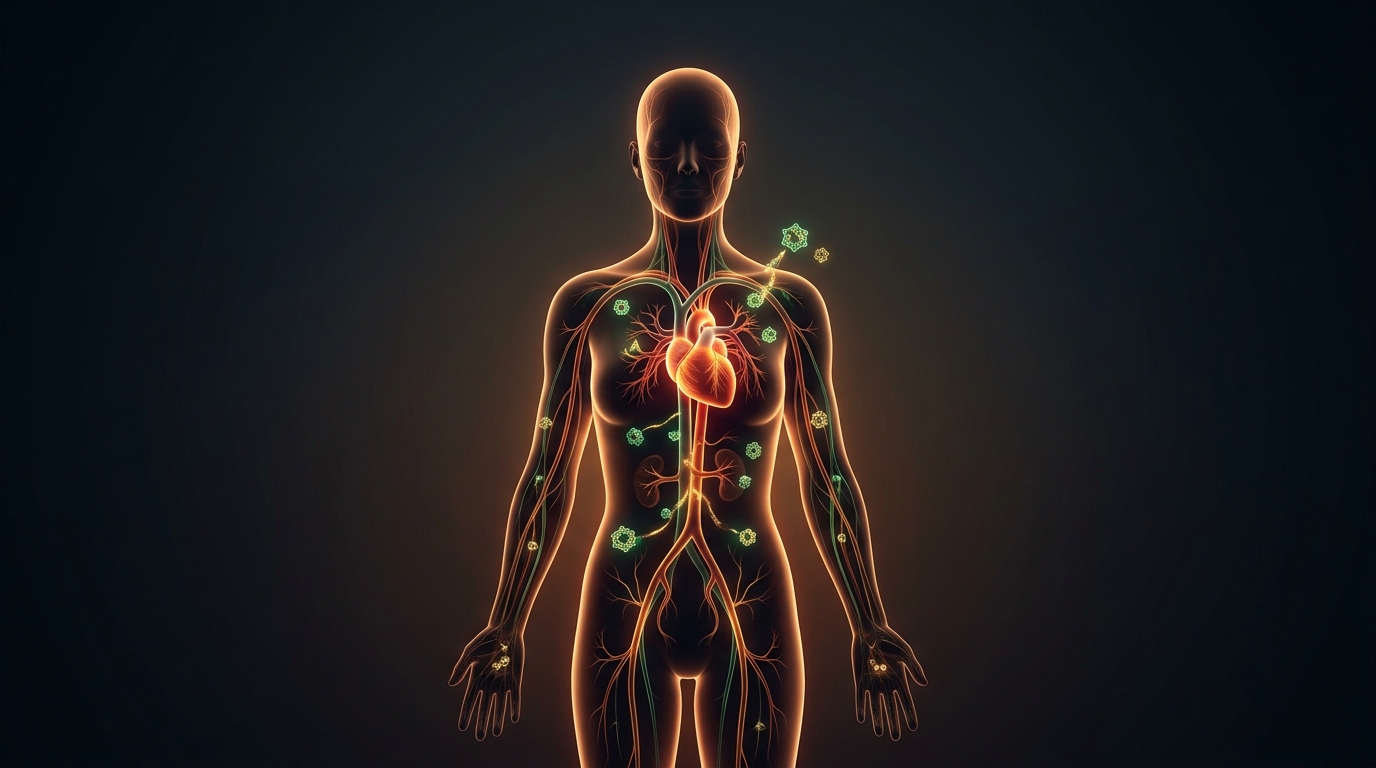
For decades, modern culture dismissed the sauna as nothing more than a post-massage indulgence, a hotel amenity, or a primitive trick for wrestlers cutting water weight before a weigh-in.
Sitting in a sweltering wooden chamber dripping with sweat was viewed as a luxury—relaxing, certainly, but biologically superficial.
Medicine 3.0 has completely upended this assumption.
Over the past decade, rigorous epidemiological trials and molecular biology research have revealed that hyperthermic conditioning (deliberate heat exposure) is one of the most powerful non-pharmacological interventions known to preventive medicine.
When your core body temperature rises into the hyperthermic zone, your physiology does not experience passive relaxation. It initiates an emergency survival program called hormesis—an ancestral cellular stress response that rewrites your cardiovascular risk profile, scrubs damaged proteins from your cells, and mimics the physiological adaptations of moderate-intensity aerobic exercise.
In a landmark 20-year prospective study tracking over 2,300 men, individuals who used a Finnish sauna 4 to 7 times per week experienced a 50% reduction in fatal cardiovascular disease and a 40% reduction in all-cause mortality compared to once-a-week bathers.
Here is the deep cellular biochemistry of thermal hormesis, the vascular mechanics of heat shock proteins, and the evidence-based protocol to harness the sauna for lifelong physical capacity and disease prevention.
1. The Cellular Stress Paradox: What Happens Inside a 90°C Room?
To understand why extreme heat extends human lifespan, we must examine the concept of hormesis: the biological principle where a brief, controlled dose of an environmental stressor triggers an adaptive overcompensation that leaves the organism far stronger and more resilient than before.
Sitting in a traditional sauna at 80°C to 100°C (176°F to 212°F) poses an immediate challenge to thermal homeostasis. Within minutes:
- Your skin temperature rises rapidly to approximately 40°C (104°F).
- Your core body temperature ascends to a low-grade therapeutic hyperthermia of 38.5°C to 39.0°C (101.3°F to 102.2°F).
- Your body triggers massive peripheral vasodilation and sweat production (up to 0.5 to 1.0 kg of fluid per hour) to dissipate heat through evaporative cooling.
This controlled heat shock sets off three distinct, systemic cascades:
🔥 The Triad of Thermal Hormesis
- The Proteostatic Shield: Upregulation of Heat Shock Proteins (HSP70, HSP90) that repair misfolded proteins, halt toxic aggregation, and maintain cellular proteostasis.
- The Cardiovascular Exercise Mimetic: Elevation of heart rate to 120–150 bpm, surging cardiac output by 60–70%, expanding plasma volume, and activating endothelial nitric oxide synthase (eNOS).
- The Neurochemical Resilience Surge: Elevation of Brain-Derived Neurotrophic Factor (BDNF), upregulation of the FOXO3 longevity gene, and the dynorphin-endorphin rebound that dramatically elevates mood and mental grit.
2. Molecular Origami: How Heat Shock Proteins Scrub Cellular Debris
Inside every cell in your body, tens of thousands of proteins perform the fundamental machinery of life—replicating DNA, pumping ions, metabolizing glucose, and contracting muscle fibers.
To function, every protein must fold into an intricate, highly specific three-dimensional shape. Think of it as microscopic origami.
As we age, cellular stress, oxidative free radicals, and thermal fluctuations cause these delicate origami structures to unravel and denature. They become "misfolded proteins"—sticky, toxic molecular junk. When misfolded proteins accumulate, they clump together into dense aggregates.
In the brain, these aggregates form beta-amyloid plaques and tau tangles (Alzheimer's disease) and alpha-synuclein aggregates (Parkinson's disease). In the cardiovascular system and skeletal muscles, they accelerate cellular senescence and organ stiffening.
| Cellular Phase | Molecular Event | Biological Consequence |
|---|---|---|
| 1. Functional Homeostasis | Native 3D Origami Folding | Optimal enzymatic, structural, and metabolic performance |
| 2. Thermal & Oxidative Stress | Protein Unraveling & Denaturation | Formation of sticky, misfolded toxic intermediates |
| 3. Chronic Accumulation | Aggregate Plaque Deposition | Accelerated cellular senescence, Alzheimer's & sarcopenia |
| 4. Sauna Hyperthermia (38.5°C+) | HSF-1 Genetic Activation | Massive synthesis of chaperone proteins (HSP70 / HSP90) |
| 5. Cellular Rescue & Clearance | Chaperone Refolding & Autophagy | Pristine structural restoration OR targeted lysosomal recycling |
The Cellular Ironing Crew
Heat Shock Proteins (predominantly HSP70 and HSP90) are your body's specialized molecular chaperones.
When hyperthermic exposure signals that cellular proteins are under thermal strain, the master genetic regulator Heat Shock Factor 1 (HSF-1) translocates into the cell nucleus, turning on the mass synthesis of HSPs.
HSPs act like a dedicated quality-control team:
- They bind immediately to unraveled proteins, preventing them from clumping together.
- They use cellular energy to physically refold the damaged proteins back into their native, functional origami configuration.
- If a protein is too degraded to be salvaged, HSPs tag it for immediate degradation via the ubiquitin-proteasome system and autophagy—feeding the amino acids back into the cellular recycling pool.
By routinely surging Heat Shock Proteins through sauna bathing, you are running a deep cellular "rinse cycle" through your vascular endothelium, brain parenchyma, and skeletal muscle fibers.
3. The Cardiovascular Exercise Mimetic: An Artificial Zone 2 Workout
One of the most striking physiological realities of sauna bathing is its cardiovascular profile. When doctors and researchers examine the hemodynamic response of a subject sitting on a sauna bench, the data looks nearly indistinguishable from someone cycling at a moderate Zone 2 aerobic pace.
| Hemodynamic Variable | Normal Resting State | Active Sauna Session (80–90°C) | Moderate Zone 2 Cardio (Cycling) |
|---|---|---|---|
| Heart Rate | 60 – 75 bpm | 120 – 150 bpm | 120 – 145 bpm |
| Cardiac Output | 4.5 – 5.5 L/min | 8.0 – 10.0 L/min (+60–70%) | 8.5 – 11.0 L/min |
| Stroke Volume | Baseline | Maintained / Slightly Elevated | Moderately Elevated |
| Peripheral Vascular Resistance | Normal | Markedly Decreased (Vasodilation) | Decreased in working muscle |
| Systolic Blood Pressure | 115 – 120 mmHg | Transient slight rise, then drop | Mild rise |
| Diastolic Blood Pressure | 75 – 80 mmHg | Significant Drop (-10 to -15 mmHg) | Stable / Slight Drop |
| Endothelial Shear Stress | Low | High (eNOS Activation) | High (eNOS Activation) |
The "Unloaded" Cardiac Workout
Why is the sauna such a powerful cardiovascular conditioning tool, particularly for longevity?
When you run or cycle, your heart beats faster to pump oxygenated blood to contracting muscles against gravitational load and resistance. In a sauna, your heart rate elevates to 130+ bpm because your autonomic nervous system must circulate blood rapidly to the skin surface to radiate heat.
However, because your peripheral microvascular beds undergo massive vasodilation through the release of Endothelial Nitric Oxide (eNOS), total peripheral resistance plummets.
Your heart is pumping a massive volume of blood through widened, relaxed pipes. It receives the high-volume conditioning of an aerobic workout without the high mechanical wear-and-tear or orthopedic joint impact.
Over weeks of consistent practice, this induces profound structural adaptations:
- Enhanced Arterial Compliance: Stiff, calcified arteries become elastic again, measured clinically as a significant reduction in Pulse Wave Velocity (PWV).
- Plasma Volume Expansion: The kidneys and endocrine system adapt by increasing circulating plasma volume, which enhances athletic VO2 max and stamina during real workouts.
- Resting Blood Pressure Reduction: Chronic sauna bathers demonstrate sustained drops in resting systolic and diastolic blood pressure, slashing the baseline shear stress on coronary vessels.
4. The Landmark Finnish Kuopio Study (KIHD): The 20-Year Proof
The gold standard epidemiological evidence for sauna longevity comes from Eastern Finland, where sauna bathing is an ancient cultural ritual.
Dr. Jari Laukkanen and his investigative team at the University of Eastern Finland conducted the landmark Kuopio Ischaemic Heart Disease Risk Factor (KIHD) Study, following 2,315 middle-aged men over a median duration of 20.7 years.
The results, published in JAMA Internal Medicine, stunned the global medical community. The researchers stratified the participants based on their weekly sauna frequency:
- Group 1: 1 session per week
- Group 2: 2 to 3 sessions per week
- Group 3: 4 to 7 sessions per week
| Weekly Sauna Frequency | Fatal Cardiovascular Disease (CVD) | All-Cause Premature Mortality | Dementia & Alzheimer's Risk |
|---|---|---|---|
| 1 Session / Week | Baseline (100% Risk) | Baseline (100% Risk) | Baseline (100% Risk) |
| 2 to 3 Sessions / Week | 22% Lower Risk (p < 0.05) | 24% Lower Risk (p < 0.05) | 21% Lower Risk |
| 4 to 7 Sessions / Week | 50% Lower Risk (HR: 0.50, p < 0.001) | 40% Lower Risk (HR: 0.60, p < 0.001) | 66% Lower Risk (HR: 0.34, p < 0.001) |
The data revealed a striking, dose-dependent relationship:
- Men who bathed 4 to 7 times weekly had a 50% lower risk of fatal cardiovascular disease (HR 0.50) compared to those who bathed once weekly.
- They had a 40% lower risk of all-cause premature mortality from any medical condition.
- In a subsequent follow-up paper, the same cohort revealed that frequent sauna bathers had a 66% lower risk of developing dementia and Alzheimer's disease.
These associations held firm even after rigorously controlling for socioeconomic status, smoking, physical activity, alcohol consumption, baseline cholesterol, and resting blood pressure.
5. The Neurobiology of the "Sauna High": Dynorphin, Endorphins, and BDNF
Have you ever wondered why you emerge from a 20-minute sauna session with a profound sense of inner calm, mental clarity, and deep euphoria?
This is not psychological placebo; it is a precisely choreographed neurochemical rebound.
The Dynorphin-Endorphin Seesaw
When you sit in temperatures exceeding 80°C, your body initially experiences heat discomfort. Your brain registers this thermal stress by synthesizing and releasing Dynorphin.
Dynorphin is an endogenous opioid peptide that binds to kappa-opioid receptors (KOR). Unlike endorphins, dynorphin creates a transient sensation of dysphoria, restlessness, and discomfort. It is the chemical that makes you stare at the sauna timer and want to escape.
However, the brain is an adaptive homeostatic machine. When kappa-opioid receptors are repeatedly bombarded by dynorphin during deliberate thermal stress, the brain compensates by:
- Sensitizing and upregulating mu-opioid receptors (MOR).
- Triggering a massive compensatory flood of beta-endorphins as soon as you step out of the heat.
Because your opioid receptors are now primed and hyper-sensitive, that post-sauna endorphin release produces a lasting, tranquil state of serenity, pain relief, and elevated mood—often lasting for hours. By deliberately leaning into the temporary discomfort of the heat, you chemically rewire your baseline for contentment.
Brain-Derived Neurotrophic Factor (BDNF)
Heat exposure also triggers a dramatic surge in Brain-Derived Neurotrophic Factor (BDNF)—the brain's premier fertilizer for neurogenesis, synaptic plasticity, and hippocampal neuron survival.
When combined with exercise, sauna use accelerates cognitive repair, protects against age-related memory decline, and explains the extraordinary 66% dementia risk reduction observed in the KIHD cohort.
6. The Growth Hormone Surge: Cellular Youth and Muscle Preservation
As we cross age 30, natural secretion of Human Growth Hormone (HGH) declines at a rate of roughly 1% to 2% per year—a primary driver of age-related muscle loss (sarcopenia), abdominal fat accumulation, and thinning skin.
Pioneering work by Dr. Rhonda Patrick and Scandinavian researchers has demonstrated that hyperthermic conditioning is one of the most potent non-pharmacological triggers for acute growth hormone release:
- Standard Session (20 min at 80°C): Induces a 200% surge in growth hormone.
- Intensive Heat Protocol (Two 20-min sessions at 80°C separated by a 30-min cooling break): Produces a 500% surge (5-fold increase) in circulating growth hormone that persists for several hours post-session.
While this heat-induced growth hormone surge does not directly drive massive muscle hypertrophy (unlike lifting weights), it acts as a powerful anti-catabolic armor. It suppresses muscle protein breakdown, preserves lean muscle tissue during caloric restriction or injury recovery, and accelerates connective tissue repair.
7. The Clinical Sauna Protocol: The Evidence-Based Prescription
To transition from abstract science into an actionable longevity habit, follow this clinical framework synthesized from Dr. Susanna Søberg, Dr. Jari Laukkanen, and Dr. Rhonda Patrick:
| Protocol Variable | Evidence-Based Target | Clinical Implementation |
|---|---|---|
| Weekly Target Dose | 57 Minutes Total per Week | The Søberg threshold for metabolic & vascular adaptation |
| Session Frequency | 3 to 4 Sessions per Week | Alternating days or scheduled immediately post-workout |
| Session Duration | 15 to 20 Minutes per Session | Sufficient to elevate core temperature to 38.5°C–39.0°C |
| Traditional Sauna Temp | 80°C to 90°C (176°F to 194°F) | Finnish dry sauna with 10%–20% ambient relative humidity |
| Infrared Sauna Temp | 50°C to 60°C (122°F to 140°F) | Extended duration (35 to 45 minutes) for equivalent thermal load |
| Optimal Timing | Post-Workout or Dedicated Rest Days | Immediately after resistance training to synergize with blood flow |
| Hydration & Electrolytes | 500 mL Water + 500 mg Sodium | Drink 30 min prior; replenish fluids and minerals post-session |
The Rules of Safe Execution
Sauna AFTER Lifting, Never Before:
Unlike cold plunges (which blunt muscle growth when taken post-workout), saunas synergize beautifully with resistance training. Heat increases blood flow to congested muscle tissue, accelerates metabolic waste clearance, enhances glycogen resynthesis, and spikes growth hormone without interfering with muscle protein synthesis (mTORC1).The Hydration & Electrolyte Mandate:
In a single 20-minute sauna session, you can easily lose 500 mL to 1,000 mL of fluid through sweat, along with significant amounts of sodium, potassium, and magnesium.- Never enter a sauna dehydrated.
- Drink at least 16 oz (500 mL) of water containing electrolytes (especially sodium) 30 minutes before your session.
- If you feel sudden lightheadedness or dizziness upon standing, your blood pressure has dropped due to vasodilation (orthostatic hypotension). Stand up slowly and exit the heat immediately.
Contrast Therapy: The Nordic Cycle (Sauna + Cold Plunge):
If pairing sauna with cold immersion:- Perform 15–20 minutes in the hot sauna first (vasodilation).
- Transition into cold water immersion for 2–3 minutes at 10–15°C (vasoconstriction).
- Repeat for 2 to 3 rounds.
- The Søberg Principle: If your primary goal is boosting brown fat thermogenesis and metabolic rate, always end on cold. If your goal is deep parasympathetic relaxation and sleep optimization, end on warm.
Critical Safety Contraindications:
- STRICTLY NO ALCOHOL: Combining alcohol with sauna is the leading cause of sauna-related fatalities in Finland due to severe, precipitous drops in blood pressure and cardiac arrhythmias.
- Anyone with unstable angina, recent myocardial infarction (within 6 months), or severe aortic stenosis should consult a cardiologist before thermal conditioning.
- Pregnant women should avoid deep hyperthermia (core body temperature > 38.9°C).
Key Takeaways: Actionable Longevity Blueprint
- 💡 A True Vascular Exercise Mimetic: Sauna bathing is not passive water loss; it triggers a hemodynamic state closely mirroring Zone 2 cardio. Heart rate reaches 120–150 bpm, cardiac output surges by 60–70%, and endothelial nitric oxide (eNOS) relaxes peripheral vessels without joint impact.
- 💡 Halving Cardiovascular Mortality: The landmark 20-year Finnish Kuopio study demonstrates that bathing 4 to 7 times weekly reduces fatal cardiovascular disease by 50% and slashes dementia and Alzheimer's risk by 66%.
- 💡 Heat Shock Proteins (HSP70) as Cellular Ironers: Thermal hyperthermia forces molecular chaperones to unfold damaged proteins, refold them into pristine geometry, and escort irremediable toxins to autophagy before they aggregate into plaques.
- 💡 Sauna AFTER Lifting, Never Before: Unlike ice baths (which extinguish anabolic signaling when used post-workout), post-lifting sauna enhances microvascular blood flow, spikes growth hormone by 200% to 500%, and protects muscle tissue without blunting mTORC1.
- 💡 The 57-Minute Weekly Threshold: You do not need to endure hours of extreme heat daily. The clinical threshold established by Dr. Susanna Søberg is 57 minutes total per week, ideally distributed across 3 to 4 sessions of 15 to 20 minutes at 80°C to 90°C.
Recommended Reading
To master the clinical science of thermal conditioning, hormesis, and physical longevity, explore these authoritative resources:
- Winter Swimming: The Nordic Way to a Healthier, Happier Life by Dr. Susanna Søberg
The landmark physiological manifesto uncovering the 57-minute heat and 11-minute cold weekly thresholds that govern human brown fat activation, vascular longevity, and metabolic resilience. - The Comfort Crisis: Embrace Discomfort To Reclaim Your Wild, Happy, Healthy Self by Michael Easter
An extraordinary investigative exploration into why eliminating ancestral stressors like heat and cold is eroding modern health, and how deliberate thermal hormesis restores cellular vitality. - Outlive: The Science and Art of Longevity by Dr. Peter Attia, M.D.
The definitive Medicine 3.0 handbook on preventing the Four Horsemen of chronic disease, preserving cardiovascular vascular health, and cultivating maximum physical reserve for your marginal decade.
Peer-Reviewed Clinical Citations & Landmark Evidence
Association Between Sauna Bathing and Fatal Cardiovascular and All-Cause Mortality:
Laukkanen T, Khan H, Zaccardi F, Laukkanen JA. "Association between sauna bathing and fatal cardiovascular and all-cause mortality events." JAMA Internal Medicine, 2015 Apr;175(4):542-8.
🔗 PubMed PMID: 25705824 | DOI: 10.1001/jamainternmed.2014.8187Sauna Bathing and Risk of Dementia and Alzheimer's Disease (KIHD Cohort):
Tanjaniina L, Jari L. "Sauna bathing is associated with reduced risk of dementia and Alzheimer's disease." Age and Ageing, 2017 Mar 1;46(2):245-249.
🔗 PubMed PMID: 27932366 | DOI: 10.1093/ageing/afw212Role of Heat Shock Proteins in Cellular Proteostasis, Aging, and Longevity:
Calderwood SK, Murshid A, Prince T. "The shock of aging: Molecular chaperones and the heat shock response in longevity and aging-associated diseases." Biochimica et Biophysica Acta, 2009 Oct;1790(10):1033-46.
🔗 PubMed PMID: 19464344 | DOI: 10.1016/j.bbagen.2009.05.013Cardiovascular and Other Health Benefits of Sauna Bathing: A Comprehensive Review:
Laukkanen JA, Laukkanen T, Kunutsor SK. "Cardiovascular and other health benefits of sauna bathing: a review of the evidence." Mayo Clinic Proceedings, 2018 Aug;93(8):1111-1121.
🔗 PubMed PMID: 30077204 | DOI: 10.1016/j.mayocp.2018.04.008Endocrine and Growth Hormone Adaptations to Repeated Hyperthermic Exposure:
Leppäluoto J, Tuominen M, Väänänen A, et al. "Some cardiovascular and metabolic effects of repeated sauna bathing." Acta Physiologica Scandinavica, 1986 Oct;128(2):77-81.
🔗 PubMed PMID: 3788622 | DOI: 10.1111/j.1748-1716.1986.tb07968.xPost-Exercise Sauna Bathing Enhances Endurance Performance and Expands Plasma Volume:
Scoon GSM, Hopkins WG, Mayhew S, Cotter JD. "Effect of post-exercise sauna bathing on the endurance performance of competitive male runners." Journal of Science and Medicine in Sport, 2007 Aug;10(4):259-62.
🔗 PubMed PMID: 16877041 | DOI: 10.1016/j.jsams.2006.06.009
Calculate Your Exact Zone 2 Cardio Training Range
Stop guessing your aerobic intensity. Determine your precise target heart rate range for mitochondrial biogenesis and lactate clearance using Karvonen & Tanaka formulas.
Actionable Longevity Checklist: Next Steps
Scientific insights have maximum power when translated into micro-habits. Check off your daily targets:
Log in Habitspan Daily Protocol (15s)
Lock your 4 biological pillars daily with zero friction and zero tedious data entry.
Calculate Your Biological Cell Age
Assess your functional longevity score against chronological birth age using Medicine 3.0 metrics.