The High-Intensity Cardio Paradox: Why Grinding Harder Triggers Ravenous Hunger, Burns Muscle, and Traps Stubborn Fat
Running yourself into the ground feels like maximum discipline, yet thousands find their scale stalled, late-night sugar cravings surging, and stubborn belly fat locked in place. Here is the Medicine 3.0 biochemistry of the Crossover Concept, ghrelin rebound, and how Zone 2 unlocks true metabolic flexibility.
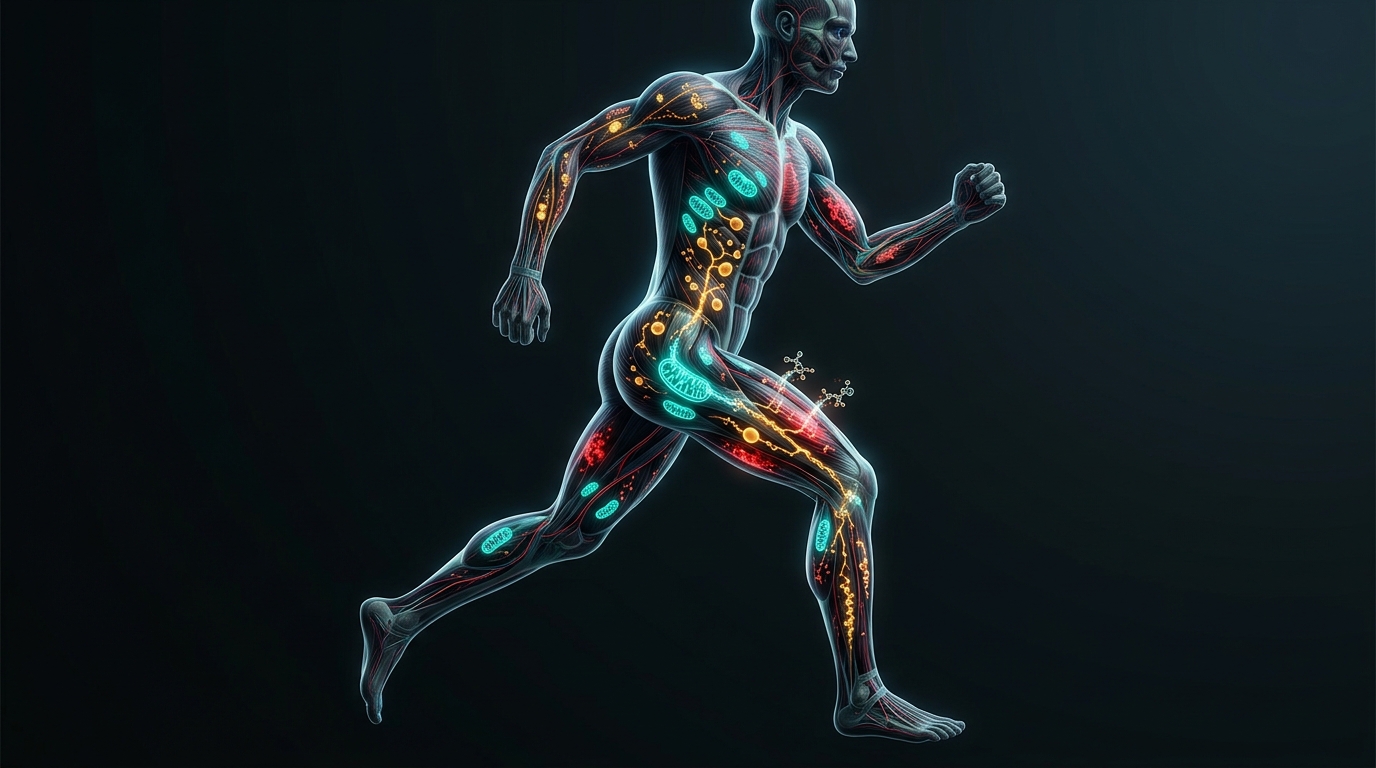
Every evening across gyms and running trails worldwide, millions of disciplined individuals step onto treadmills, dial the speed up to a breathless pace, and grind for 45 to 60 minutes. Their shirts are drenched in sweat, their smartwatches boast 600 or 700 calories burned, and they finish in an exhausted heap of triumph.
Yet after three, six, or twelve months of this punishing regimen, a frustrating pattern emerges:
The bathroom scale refuses to budge. The pinchable ring of lower-abdominal stubborn fat remains immovably parked. And worst of all, by 9:00 PM, an irresistible, primal biological craving for carbohydrates, cereals, and sweets violently hijacks their willpower.
How can someone work out with such ferocious intensity, yet see virtually zero real fat loss?
In Medicine 3.0, we look beyond the primitive, outdated narrative of "a calorie is just a calorie" and examine the underlying cellular biochemistry of substrate utilization, endocrine hunger signaling, and compensatory energy expenditure.
Intense cardio is an extraordinary tool for peak athletic output and VO2 max expansion. But when used as a blunt instrument for fat loss, it triggers a cascade of biochemical survival mechanisms—from glycogen-depletion hunger surges to mitochondrial fuel-switching—that actively sabotages your body composition.
Here is the cellular science behind why grinding harder keeps you hungry and soft, and the evidence-based protocol to train your metabolism to burn fat as its primary fuel.
1. The Crossover Concept: The Science of What Fuel You Actually Burn
The fundamental mistake most people make is confusing energy expenditure (total calories burned) with fat oxidation (actual grams of adipose tissue converted into carbon dioxide and water).
Your skeletal muscle cells have two primary fuel tanks:
- Intramuscular & Liver Glycogen (Carbohydrates): A rapid-burning, high-octane fuel tank limited to roughly 1,600 to 2,000 calories total in the human body.
- Adipose Tissue (Fatty Acids): A virtually limitless, slow-burning fuel tank carrying between 40,000 to 100,000+ calories even in lean individuals.
Which tank your body taps into is dictated not by your willpower, but by exercise intensity—a phenomenon formalized by Dr. George Brooks and Dr. John Mercier as The Crossover Concept.
| Exercise Intensity Spectrum | Zone 1 – Zone 2 (FATmax) | The Crossover Point | Zone 4 – Zone 5 (High Intensity) |
|---|---|---|---|
| Primary Fuel Source | 70–85% Fatty Acids (Adipose Lipids) | 50% Fat / 50% Carbohydrates | 85–100% Glucose & Glycogen |
| Mitochondrial Enzyme State | CPT-1 enzyme wide open (Active β-oxidation) | Equimolar shift in substrate flux | Malonyl-CoA blocks CPT-1; pure glycolysis |
| Respiratory Exchange Ratio (RER) | 0.70 – 0.80 | ~0.85 | 0.95 – 1.00+ |
The Biochemical Enzyme Gate: CPT-1 vs. Malonyl-CoA
To burn fat, long-chain fatty acids must be transported through the mitochondrial membrane into the inner matrix via a molecular ferry system called Carnitine Palmitoyltransferase-1 (CPT-1).
- At Low-to-Moderate Intensity (Zone 2, ~60–70% Max Heart Rate): Oxygen delivery to the working muscle is plentiful. The mitochondrial electron transport chain operates smoothly, CPT-1 is wide open, and your muscle fibers oxidize fat at their peak rate (FATmax).
- As Intensity Climbs (Threshold / Zone 3–4): Oxygen demand outpaces mitochondrial flux. The muscle rapidly recruits glycolytic Type II fast-twitch muscle fibers. The breakdown of glucose produces high intracellular levels of Malonyl-CoA, which acts as a molecular clamp that chemically blocks CPT-1.
The moment CPT-1 is shut down, fatty acid transport into the mitochondria drops to near zero.
Even though you are breathing heavily, sweating profusely, and your smartwatch shows a staggering calorie burn, you are burning almost exclusively glucose and glycogen—not your stubborn body fat.
2. The Ravenous Hunger Trap: Why High-Intensity Cardio Triggers Midnight Binging
The human brain weighs only 2% of total body mass but consumes roughly 20% of your basal glucose. It regards liver glycogen as an existential survival gauge.
When you perform sustained high-intensity cardio, you rapidly drain your hepatic and intramuscular glycogen reserves. This triggers a potent endocrine alarm:
🧬 The Neuroendocrine Hunger Cascade
- Hepatic Energy Depletion: As liver glycogen plummets, intracellular energy levels drop, activating AMP-activated protein kinase (AMPK) in hepatic tissue.
- Ghrelin Surge: The gastric lining responds by secreting massive pulses of Ghrelin—the body's master orexigenic (appetite-stimulating) hormone.
- Hypothalamic Hijacking (NPY & AgRP): Circulating ghrelin crosses the blood-brain barrier and activates Neuropeptide Y (NPY) and Agouti-Related Peptide (AgRP) neurons in the arcuate nucleus of the hypothalamus.
- Selective High-Glycemic Craving: NPY does not make you crave steamed broccoli or grilled chicken breast; it compels an insatiable, involuntary drive for rapidly absorbing, high-density carbohydrates and sugar to replenish the emergency glycogen reserves.
The Campfire vs. Flash-Paper Metaphor
Think of burning body fat as burning dense, dry oak logs on a steady campfire. Once lit, it radiates deep, continuous warmth for hours without requiring constant attention.
High-intensity cardio fueled by glycogen is like throwing flash paper into the hearth. It creates a blinding flash and immense heat for a brief minute, but it burns out almost instantly—leaving you freezing in the dark and frantically looking for another piece of paper to throw on the fire.
When you finish an intense 60-minute interval run, you might burn 600 calories of glycogen. But by 9:00 PM, your ghrelin-spurred survival instinct drives you to consume 900 calories of chips, bread, or ice cream. You finish the day in a net caloric surplus, with zero net fat lost.
3. The Cortisol & Muscle Catabolism Axis: How Grinding Traps Belly Fat
When high-intensity cardiovascular exercise is layered on top of a demanding modern lifestyle—characterized by psychological work stress, poor sleep, and a caloric deficit—the body does not interpret your training as "fitness."
It interprets it as chronic survival panic.
| Physiological Pathway | Acute Adaptive Response | Chronic High-Intensity Overload |
|---|---|---|
| Systemic Cortisol Level | Transient spike; normal circadian drop | Chronically elevated baseline cortisol |
| Skeletal Muscle Balance | Anabolic signaling preserved post-rest | Muscle protein catabolism via gluconeogenesis |
| Visceral Fat (11β-HSD1) | Baseline enzymatic activity | Upregulated 11β-HSD1 locks down abdominal fat |
| Resulting Body Composition | Athletic recomposition | "Skinny-fat" phenotype (muscle loss + belly fat) |
The Double-Edged Blade of Elevated Glucocorticoids
- Muscle Protein Breakdown (Gluconeogenesis): Sustained high-intensity training elevates systemic cortisol. To maintain blood glucose in the face of depleted glycogen, cortisol activates muscle proteolysis, breaking down branched-chain amino acids (BCAAs) from your skeletal muscle fibers to convert them into glucose via hepatic gluconeogenesis. You are literally burning your own muscle tissue as fuel.
- Selective Visceral Adipose Deposition: Deep visceral adipose tissue (the dangerous fat surrounding internal organs and lower abdomen) possesses an extraordinarily high density of glucocorticoid receptors and the enzyme 11β-Hydroxysteroid Dehydrogenase Type 1 (11β-HSD1).
Chronically high cortisol upregulates 11β-HSD1, signaling the body to tenaciously protect and expand abdominal fat stores as an evolutionary buffer against prolonged starvation.
The result is the dreaded "skinny-fat" phenotype: declining skeletal muscle mass, a sluggish resting metabolic rate, and stubborn abdominal adiposity that refuses to shrink.
4. The Compensatory NEAT Collapse: The Constrained Energy Model
For decades, the fitness industry promoted an additive model of human energy expenditure: Basal Metabolic Rate + Exercise Calories = Total Daily Energy Burn.
However, revolutionary research led by evolutionary anthropologist Dr. Herman Pontzer at Duke University proved the Constrained Model of Total Energy Expenditure:
| Energy Model Comparison | Traditional Additive Model (Flawed) | Pontzer's Constrained Model (Human Biology) |
|---|---|---|
| Theoretical Energy Equation | BMR + Active Exercise = Infinite Linear Burn | BMR + Exercise + NEAT is dynamically capped |
| Exhaustive Cardio (+700 kcal) | Expected total daily burn: 2,700 kcal | NEAT subconsciously drops by 300–500 kcal |
| Actual Net Daily Expenditure | Assumed 2,700 kcal deficit driver | Capped near ~2,100 kcal (Zero net deficit gain) |
When you exhaust yourself with grueling, high-heart-rate cardio sessions:
- Your autonomic nervous system compensates by drastically reducing Non-Exercise Activity Thermogenesis (NEAT) throughout the remaining 23 hours of the day.
- You sit down more often. You stop fidgeting, take the elevator instead of the stairs, lounge on the couch in the evening, and move with sluggish posture.
- Studies demonstrate that an aggressive 600-calorie exercise bout can induce a subconscious compensatory drop of 300 to 500 calories in spontaneous daily NEAT.
In net terms, you endured an hour of exhausting suffering, only to burn almost the exact same total daily energy as someone who took a brisk 45-minute walk and stayed energetic all day.
5. Comparative Metabolic Matrix: Zone 2 vs. Chronic High-Intensity Cardio
| Biological Dimension | Zone 2 Aerobic Base (~60–70% Max HR) | Chronic Zone 3–4 High-Intensity Cardio |
|---|---|---|
| Primary Substrate Burned | 80–90% Fatty Acids (Adipose tissue) | 80–100% Glycogen & Blood Glucose |
| Mitochondrial Adaptation | Expands mitochondrial volume & biogenesis | Stresses glycolytic anaerobic enzymes |
| Post-Workout Appetite (Ghrelin) | Blunted or stable; zero sugar cravings | Sharp ghrelin spike; intense carb hunger |
| Autonomic Stress (Cortisol) | Parasympathetic dominance; restorative | Heavy sympathetic activation; high cortisol |
| Impact on Skeletal Muscle | Spares muscle tissue; promotes capillarization | Risk of muscle catabolism & sarcopenia |
| Subsequent Daily NEAT | Preserved; high all-day physical energy | Crashed; lethargy and sedentariness |
| Long-Term Fat Loss Success | Superior, effortless, and sustainable | High burnout rate; metabolic rebound |
6. The Medicine 3.0 Fat-Loss Protocol: The 80/20 Metabolic Framework
To achieve permanent body recomposition, eliminate metabolic hunger crashes, and build an athletic engine that burns fat around the clock, adopt the Medicine 3.0 Training Hierarchy:
Pillar 1: Build the Aerobic Fat Engine (Zone 2 Cardio)
- Weekly Dose: 150 to 180 minutes total, broken into 3 to 4 sessions of 45 to 60 minutes each.
- Target Intensity:
- The Conversational Test: You should be able to speak in complete, unbroken sentences, but with enough effort that someone on the phone knows you are exercising.
- Heart Rate Guideline: Use the Maffetone Formula:
180 - Your Age(± 5 bpm). For a 40-year-old, this is approximately 135 to 145 bpm. - Nasal Breathing: You should be able to sustain nasal-only breathing throughout the entire session.
- Best Modalities: Incline treadmill walking (12% incline at 4.5–5.0 km/h), indoor stationary bike with steady wattage, or outdoor low-cadence rucking.
Pillar 2: Guard the Metabolic Armor (Resistance Training)
- Weekly Dose: 3 sessions of 45–60 minutes of progressive overload strength training.
- Why It Works: Skeletal muscle is your primary metabolic sink for glucose clearance (GLUT4 translocation). Every kilogram of lean muscle you preserve or build increases your resting metabolic rate 24 hours a day, ensuring that fat loss comes from adipose tissue rather than functional tissue.
Pillar 3: High-Yield VO2 Max Sprinkling (The 20% Peak)
- Weekly Dose: 1 single session per week.
- Protocol: The Norwegian 4x4 Interval (4 minutes at 90–95% max HR, followed by 3 minutes of easy active recovery, repeated 4 times).
- The Benefit: Delivers the longevity-boosting cardiovascular adaptations of VO2 max expansion without subjecting your adrenal glands to chronic daily cortisol exhaustion.
Pillar 4: Protect Daily NEAT (The 8,000–10,000 Step Baseline)
- Low-intensity non-exercise movement burns fat passively without ever signaling the liver or hypothalamus that food is scarce. Prioritize a 15-minute walk after every meal to blunt postprandial glucose spikes.
Key Takeaways: Actionable Longevity Blueprint
- 💡 Harder does not mean leaner: Running until you gasp for breath shifts your fuel utilization from fat oxidation to pure glycogen breakdown via the Crossover Concept.
- 💡 The 9:00 PM Binge is Biochemical, Not Lack of Willpower: Draining liver glycogen through chronic high-intensity cardio triggers massive surges in ghrelin and hypothalamic NPY, forcing your brain into survival starvation mode.
- 💡 Cortisol Traps Visceral Fat: Combining intense daily cardio with life stress and caloric restriction elevates cortisol, causing muscle protein breakdown while 11β-HSD1 locks down abdominal fat.
- 💡 Beware the NEAT Trap: Exhausting cardio causes your body to subconsciously shut down movement for the rest of the day, wiping out your calculated calorie burn.
- 💡 Master Zone 2 for True Fat Adaptation: Spend 80% of your aerobic volume at conversational Zone 2 (
180 - Age). It trains your mitochondria to incinerate fatty acids, preserves your muscle, keeps appetite calm, and builds lifelong metabolic resilience.
Recommended Reading
To master metabolic flexibility, energy expenditure, and the science of human endurance adaptation, explore these authoritative works:
- Outlive: The Science and Art of Longevity by Dr. Peter Attia, M.D.
The defining Medicine 3.0 manual detailing why Zone 2 aerobic base training and muscle mass preservation form the bedrock of cardiovascular and metabolic healthspan. - Burn: New Research Blows the Lid Off How We Really Burn Calories, Lose Weight, and Stay Healthy by Herman Pontzer, Ph.D.
Groundbreaking evolutionary anthropology revealing why high-intensity exercise fails to create linear calorie burns and how compensatory NEAT downregulation works. - The Maffetone Method: The Revolutionary Fitness Program That Targets Fat, Boosts Energy, and Prevents Injury by Dr. Philip Maffetone
The foundational guide on the 180-Formula, maximum aerobic function, and training your cellular machinery to burn lipids rather than sugar.
Scientific Research References
The Crossover Concept in Exercise Metabolism (Substrate Partitioning):
Brooks GA, Mercier J. "Balance of carbohydrate and lipid utilization during exercise: the 'crossover' concept." Journal of Applied Physiology, 1994 Jun;76(6):2253-61.
🔗 PubMed PMID: 7928849 | DOI: 10.1152/jappl.1994.76.6.2253Assessment of Mitochondrial Function and Metabolic Flexibility in Athletes and Metabolic Disease:
San-Millán I, Brooks GA. "Assessment of Metabolic Flexibility by Means of Measuring Blood Lactate, Fat, and Carbohydrate Oxidation in Athletes, Active Individuals and Metabolic Syndrome Patients." Sports Medicine, 2018 Jan;48(2):467-479.
🔗 PubMed PMID: 29294246 | DOI: 10.1007/s40279-017-0844-1Constrained Total Energy Expenditure and Metabolic Adaptation in Humans:
Pontzer H, Durazo-Arvizu R, Dugas LR, et al. "Constrained Total Energy Expenditure and Metabolic Adaptation to Physical Activity in Adult Humans." Current Biology, 2016 Feb 8;26(3):410-7.
🔗 PubMed PMID: 26822575 | DOI: 10.1016/j.cub.2015.12.046Acute Exercise Intensity and Post-Exercise Ghrelin and Appetite Regulation:
Broom DR, Stensel DJ, Bishop NC, et al. "Exercise-induced suppression of acylated ghrelin in humans." Journal of Applied Physiology, 2007 Jun;102(6):2165-71.
🔗 PubMed PMID: 17347386 | DOI: 10.1152/japplphysiol.00759.2006Exercise Intensity, Lipid Oxidation Kinetics, and the Regulation of CPT-1:
Achten J, Jeukendrup AE. "Optimizing fat oxidation through exercise and diet." Nutrition, 2004 Jul-Aug;20(7-8):716-27.
🔗 PubMed PMID: 15212756 | DOI: 10.1016/j.nut.2004.04.005Glucocorticoids, 11β-HSD1, and Visceral Adipose Tissue Depot Expansion:
Masuzaki H, Paterson J, Shinyama H, et al. "A transgenic model of visceral obesity and the metabolic syndrome." Science, 2001 Dec 7;294(5549):2166-70.
🔗 PubMed PMID: 11739957 | DOI: 10.1126/science.1066285
Calculate Your Exact Zone 2 Cardio Training Range
Stop guessing your aerobic intensity. Determine your precise target heart rate range for mitochondrial biogenesis and lactate clearance using Karvonen & Tanaka formulas.
Actionable Longevity Checklist: Next Steps
Scientific insights have maximum power when translated into micro-habits. Check off your daily targets:
Log in Habitspan Daily Protocol (15s)
Lock your 4 biological pillars daily with zero friction and zero tedious data entry.
Calculate Your Biological Cell Age
Assess your functional longevity score against chronological birth age using Medicine 3.0 metrics.